

Global navigation for Brewery Solutions
Enhance user navigation and overall user experience by implementing a new global navigation system within Ollie Ops and Order. The new navigation should streamline user journeys, improve the discoverability of features, and ensure consistency across the application. Establish a clear visual hierarchy and organization within the interface, grouping related sections or features together, to convey the software's structure and emphasize important areas.
Objectives
User Research: Gather insights into pain points and preferences related to the current navigation. Analyze user behaviour and usage patterns within the software to identify navigation-related challenges.
Information Architecture: Define a new information architecture that restructures the navigation hierarchy for improved usability. Categorize and group features logically to facilitate easier user navigation.
Responsive Design: Ensure that the new navigation adapts seamlessly to various screen sizes and devices, including desktops, tablets, and smartphones.
Change Management: Develop a communication plan to inform users about the upcoming navigation changes and provide resources for adaptation.
Stakeholder Review: Present the new navigation design and gather feedback from stakeholders, including developers, sales team, implementation specialists and support.
Constraints
Technical Limitations: The existing architecture and technology stack may have limitations that affect the implementation of certain navigation elements or interactions.
Mobile Responsiveness: The new navigation needs to work seamlessly across various devices and screen sizes, maintaining usability on both desktop and mobile platforms.
Data Load: The navigation should handle large datasets efficiently without slowing down the software's performance.
User Feedback: Gathering and incorporating user feedback into the navigation design is recommended as well as a controlled release to certain users for controlled error handling.
Design process
Log Rocket user observation
Interviews with Customer Success and Implementation managers
User Research: Best practices, Benchmarking, Mental Models.
3 Design Critiques with the company’s Design Guild
Stakeholder review
3 different iteration processes
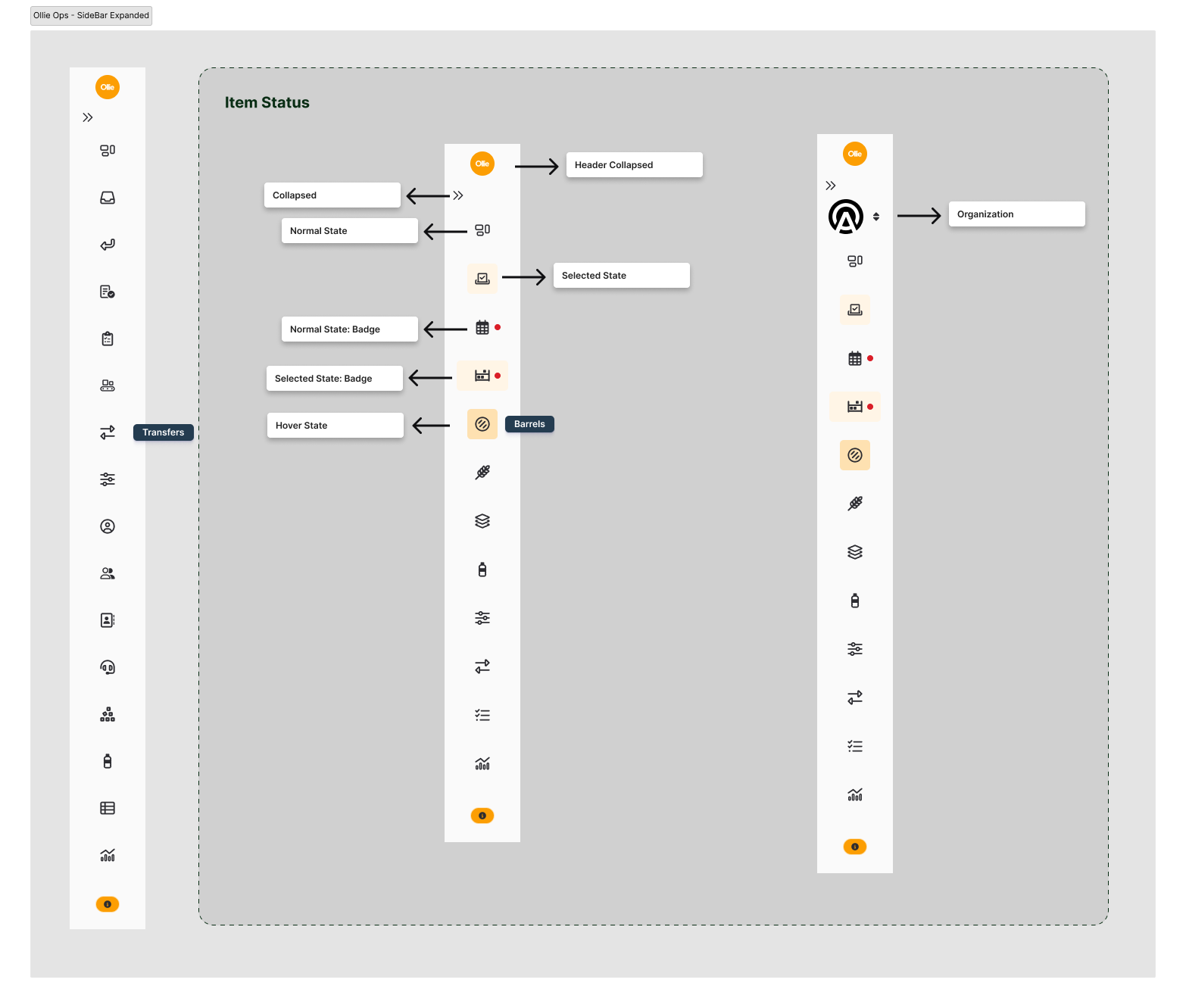
Collapsed version
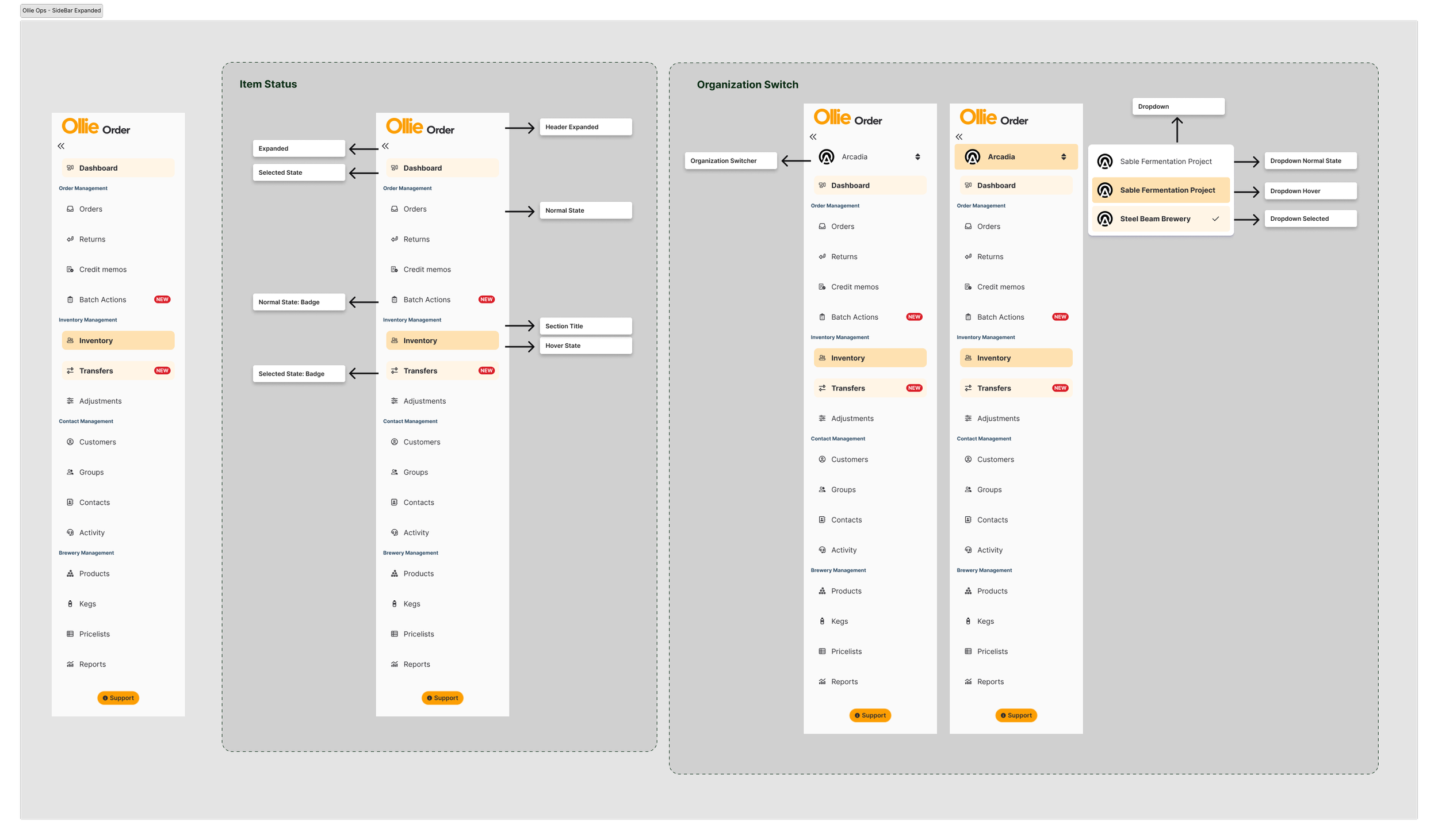
Main Navigation
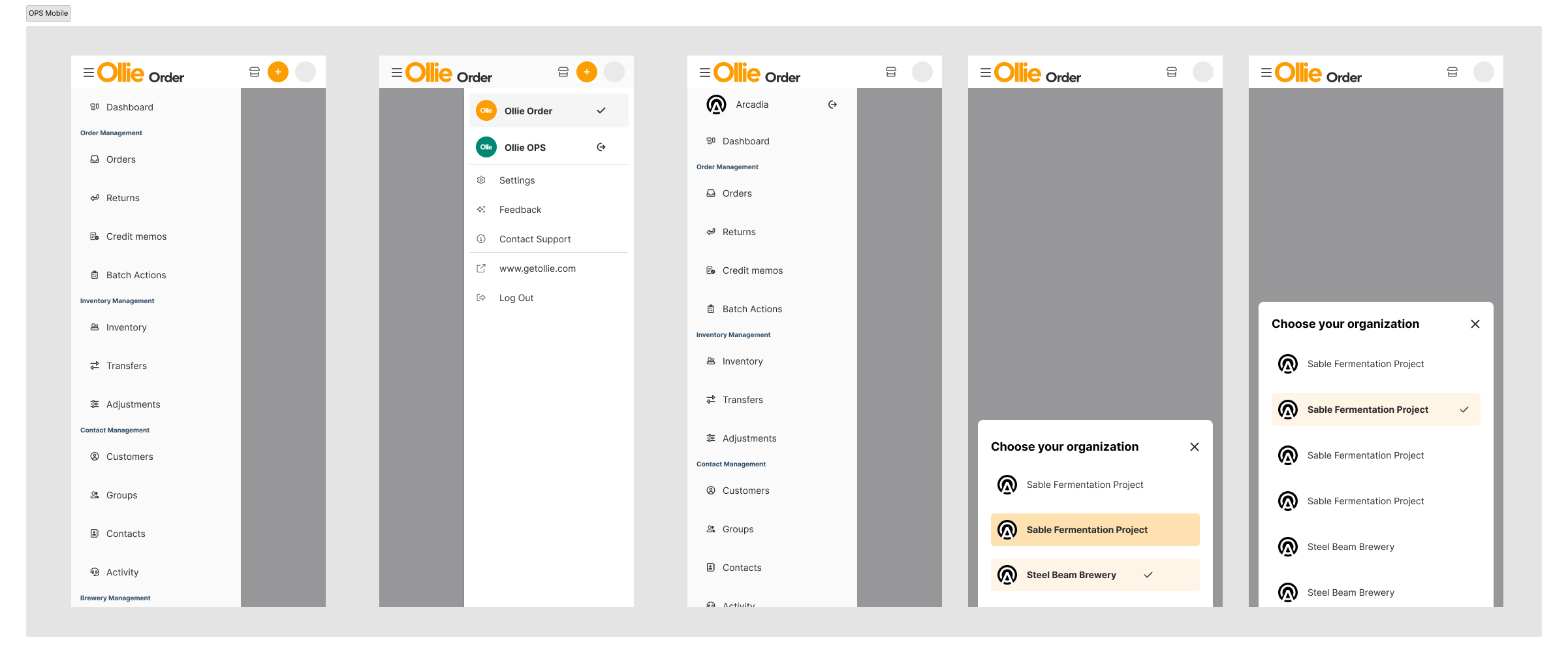
Mobile versions
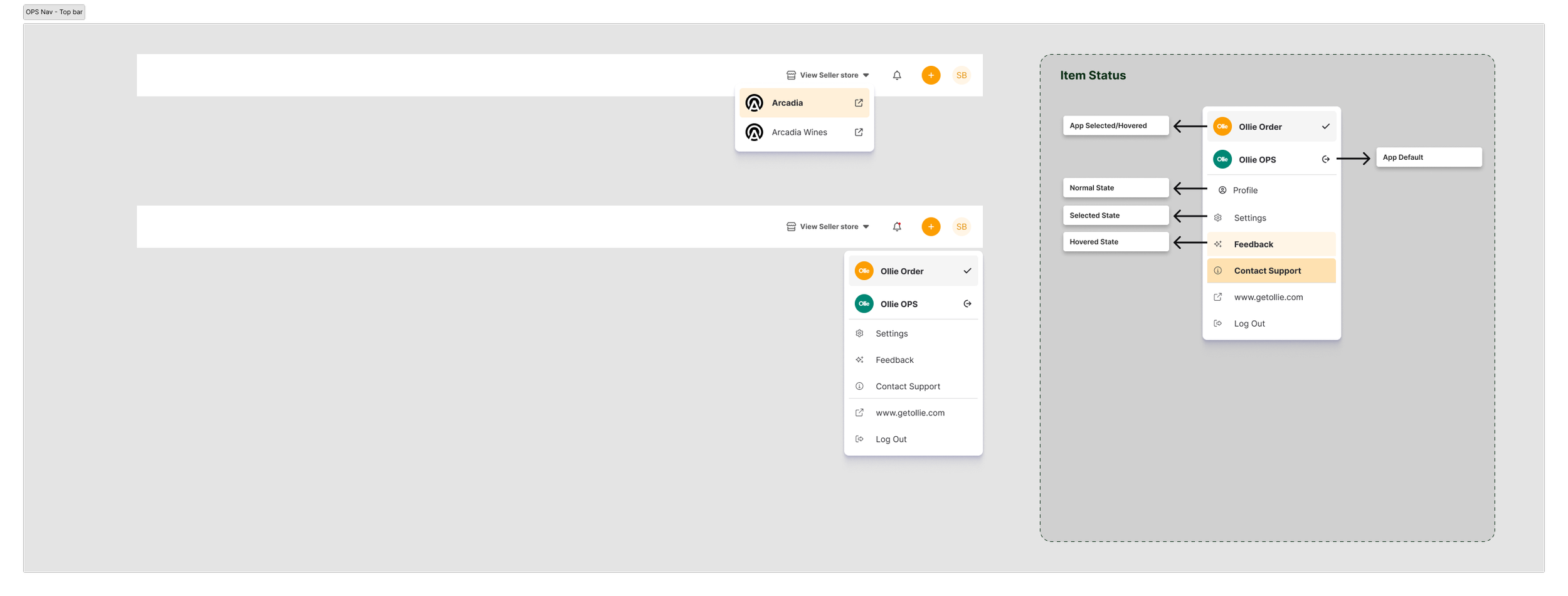
Header navigation
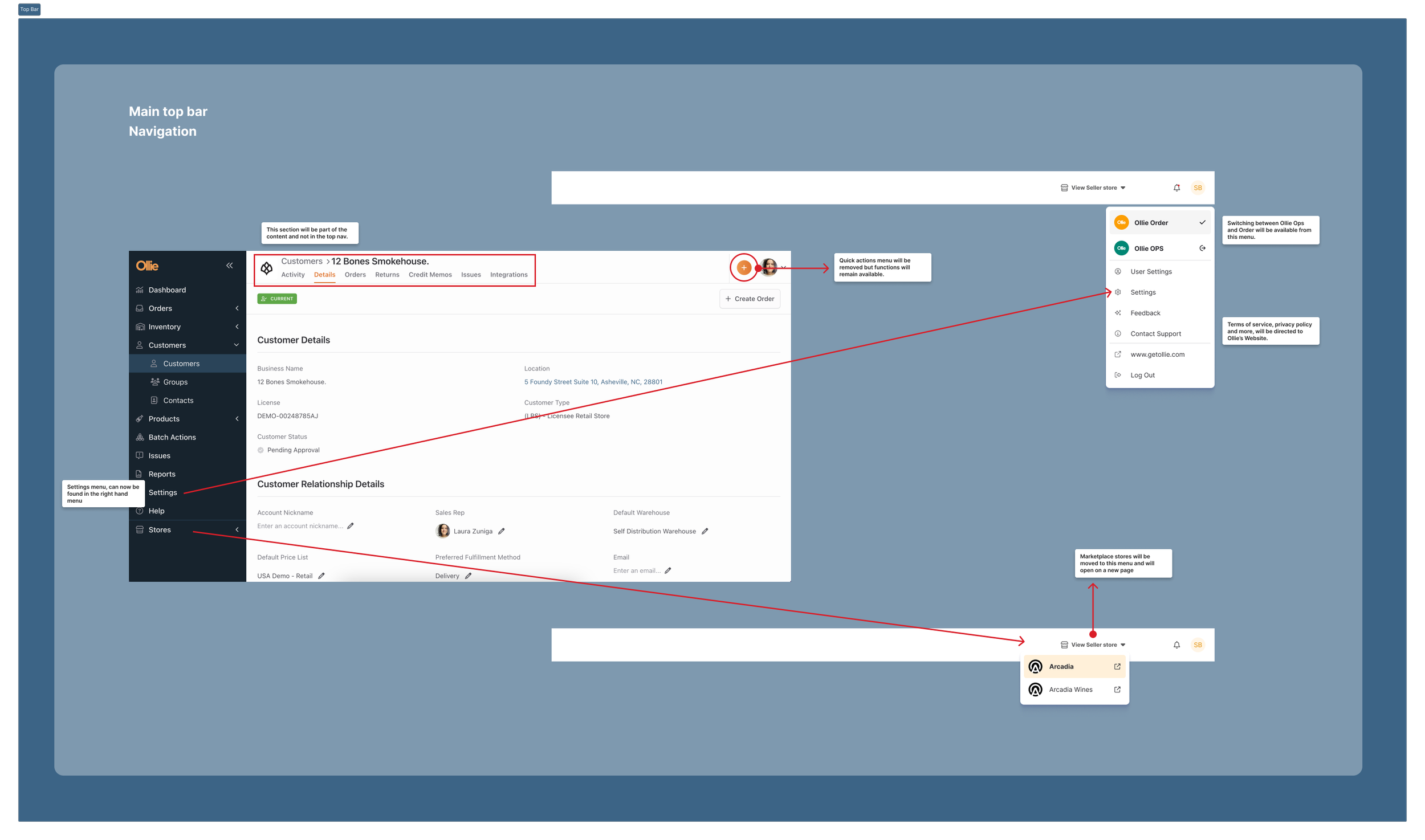
Side Navigation Changes
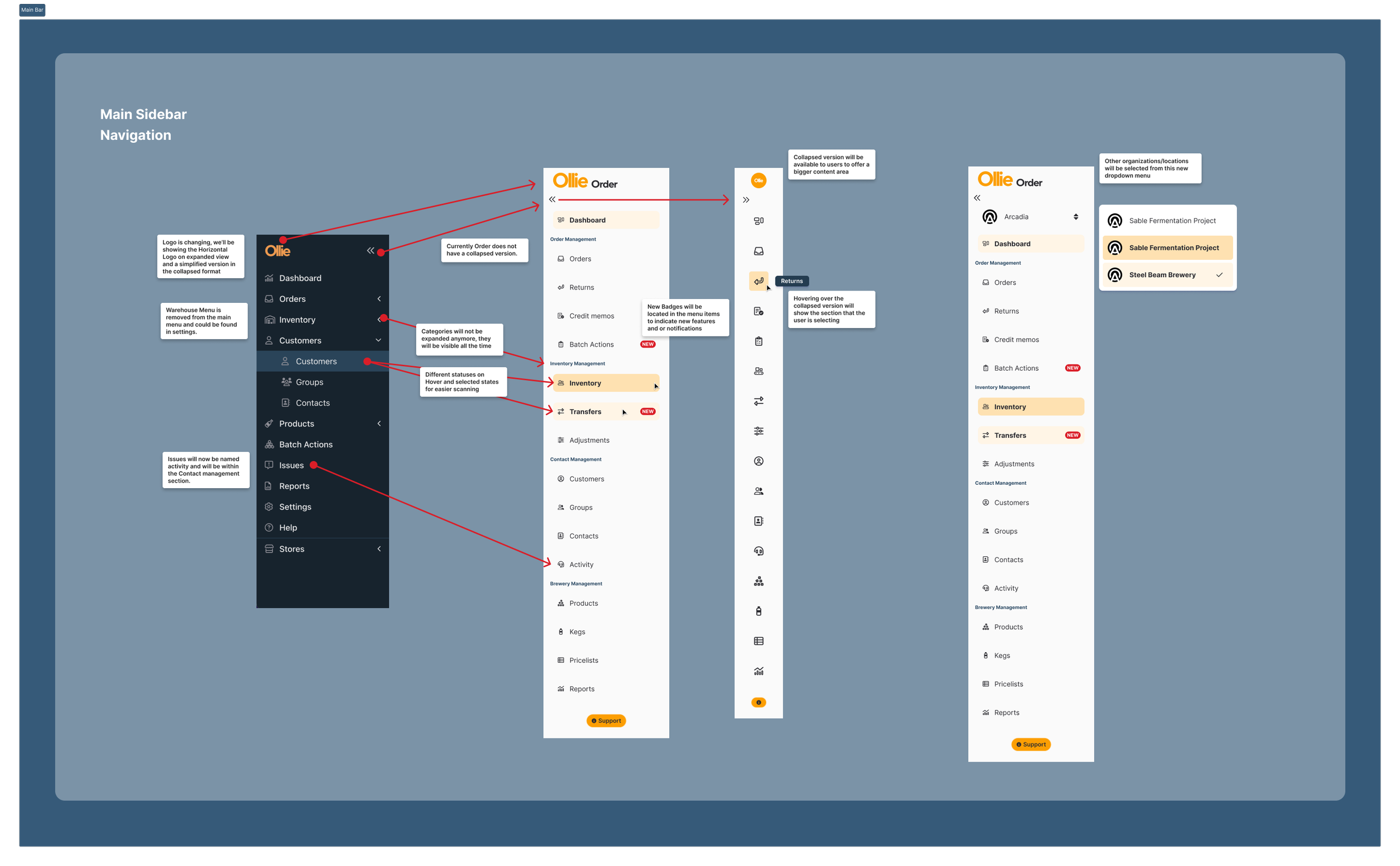
More changes explained
Outcomes & Lessons
Iterative Refinement: Feedback from users missing two features (quick access and scroll bar) was implemented immediately by the dev team within one day after the release to all users.
Consistent User Experience: The navigation implementation resulted in a consistent and cohesive user experience across both products and platforms.
User Feedback: Gathering and incorporating user feedback into the navigation design can be challenging while also meeting the project timeline, initial feedback was in general very positive from most of the users.